Delicious Rendang
Dish
As a tour guide, I have a good mix of expertise and interpersonal skills when it comes
to interacting with tourists. I research the Indonesian culture, traditions, and attractions
of the interesting location you want to visit. With these steps, I can improve my skills
as a tour guide and allow my passengers to experience an unforgettable journey.

Rice culture refers to the various practices and traditions associated with the
cultivation, harvesting, and consumption of rice, which is a staple food for over half
of the world's population. Rice is primarily grown in flooded paddy fields, which
require large amounts of water and careful management to maintain crop yields.
Rice cultivation has a long and rich history, with evidence of domestication dating
back at least 8,000 years ago in China. From there, the cultivation of rice spread
throughout Asia and eventually to other parts of the world. Today, rice is grown in
over 100 countries, with China, India, and Indonesia being the largest producers.
Rice culture is deeply intertwined with the social and cultural practices of many
societies. For example, in some parts of Asia, rice is seen as a symbol of prosperity
and fertility, and is often used in religious ceremonies and festivals. In Japan,
rice is a central part of traditional cuisine, and is often served with a variety of dishes.
Harvesting rice is also an important cultural event in many societies. In some
parts of Southeast Asia, for example, the harvest is celebrated with elaborate
ceremonies and offerings to the gods.
Rice culture is a rich and complex phenomenon that reflects the importance of this
staple crop in many societies around the world.
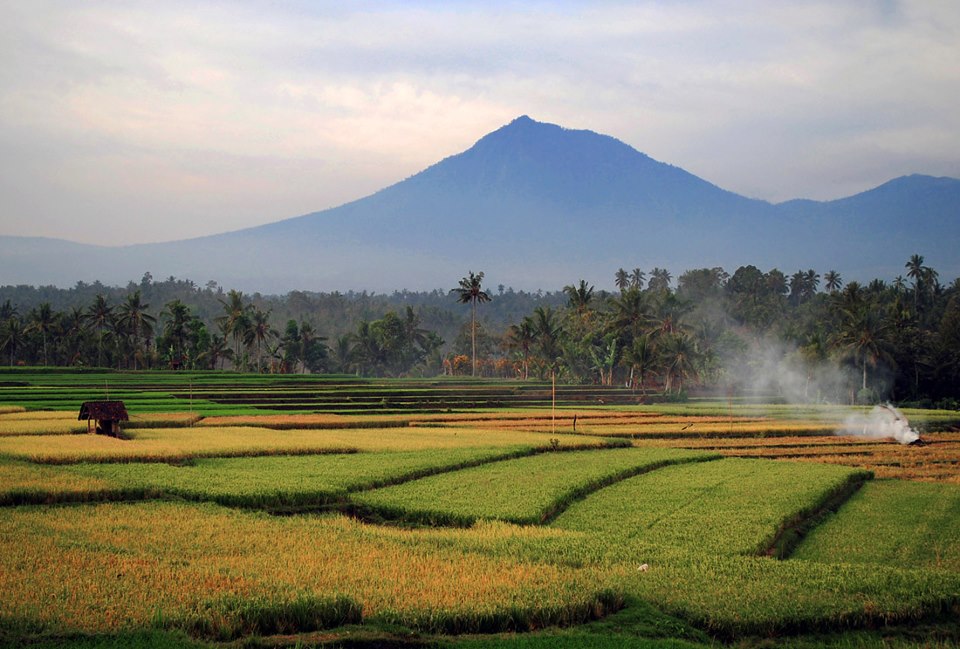
Rice cultivation involves several steps, including land preparation, seed selection,
planting, irrigation, fertilization, pest control, and harvesting. Here is a general
overview of the process:
Land preparation: The field is plowed and leveled to create a smooth surface for planting.
The soil is then flooded with water to create a shallow layer of standing water.
Seed selection: High-quality rice seeds are selected based on factors such as seed purity,
germination rate, and resistance to diseases and pests.
Planting: The seeds are either broadcasted by hand or sown in rows using a machine.
The seeds are then covered with a layer of soil and the field is flooded with water
to ensure that the seeds are submerged.
Irrigation: The rice plants require a constant supply of water throughout
their growth cycle. Water is typically supplied through irrigation systems
that provide a controlled flow of water to the field.
Fertilization: Rice plants require nutrients such as nitrogen, phosphorus,
and potassium to grow. Fertilizers are applied to the field to ensure that
the plants receive the necessary nutrients.
Pest control: Rice plants are vulnerable to various pests and diseases that
can reduce crop yields. Pesticides and other control measures are used to
manage these threats.
Harvesting: Rice is typically harvested by hand using sickles or by using machines.
The rice plants are cut at the base and then threshed to separate the grains
from the stalks.
Drying and processing: The harvested rice is typically dried and processed to
remove the outer husk, bran, and germ. The resulting product is white rice,
which is ready for consumption.
Overall, rice cultivation requires careful management and attention to detail
throughout the growing season to ensure a successful harvest.
Kebumen, 1st March 2023

Dish

Javanese Culture

Javanese Concept of Harmony

Harmony Life

Agriculture

Tropical Vegetation

20 English Expressions
This website is created by Aoux Swantoro | 2023